

Powerlifting vs Olympic Lifting: Which Path Should You Choose?
Powerlifting vs Olympic Lifting: Which Path Should You Choose?
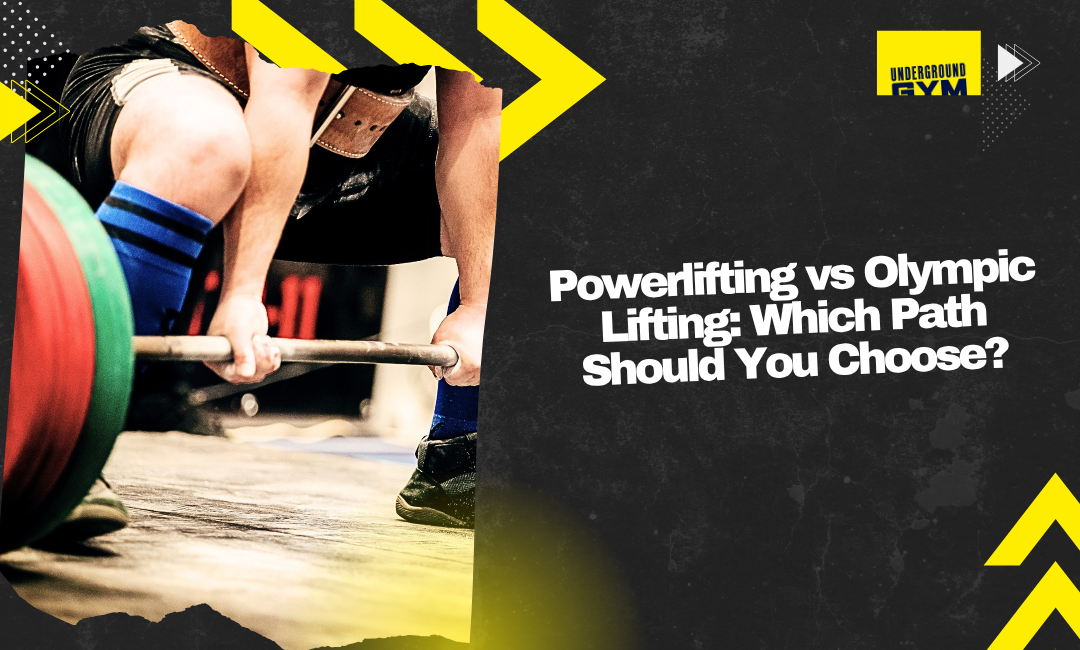
When I first started at Underground Gym, I noticed something fascinating: members would often gravitate toward either powerlifting or Olympic lifting, usually without fully understanding the differences between these distinct strength disciplines.
Both training methodologies build impressive strength and power, but they do so through different approaches, movements, and training philosophies. As someone who coaches Olympic lifting but has competed in both disciplines, I've developed a deep appreciation for what makes each unique—and which might be the right fit for different people.
Whether you're just beginning your strength journey or looking to specialise further, understanding these differences can help you choose the path that aligns with your goals, preferences, and physical attributes.
Understanding the Disciplines
Let's start with the fundamentals of each approach.
Powerlifting: Absolute Strength Mastery
Powerlifting focuses on three main lifts:
- The Squat - A movement where you position a loaded barbell across your upper back, descend until your hip crease is below your knee, then stand up. It primarily trains your quadriceps, glutes, and core.
- The Bench Press - Lying on a bench, you lower a barbell to your chest and press it back up to full arm extension. This develops your chest, shoulders, and triceps.
- The Deadlift - Starting with the bar on the floor, you hinge at the hips and stand up with the weight. This powerhouse movement engages your entire posterior chain—hamstrings, glutes, back, and grip.
In powerlifting competition, powerlifters get three attempts at each lift, with their highest successful attempt counting toward their combined total weight lifted. The goal is simple: lift as much weight as possible within your weight class.
Powerlifting training typically involves working at higher percentages of your maximum capacity with lower repetitions, focusing on developing maximal strength rather than speed or power expression.
Olympic Lifting: Power, Speed, and Technical Precision
Olympic weightlifting comprises two competitive lifts:
- The Snatch - In one continuous motion, the lifter takes the barbell from the floor to overhead position with arms locked out. This requires extraordinary coordination, speed, and mobility.
- The Clean and Jerk - A two-part lift where the barbell is first pulled from the floor to the shoulders (the clean), then pushed overhead (the jerk). While still technical, it allows heavier weights to be lifted than the snatch.
Olympic lifting is judged not just on the weight lifted but also on technical execution. Three judges determine whether each attempt meets the strict technical requirements established by the International Weightlifting Federation.
Weightlifting training typically involves more technical work, variations of the competition lifts, and a greater emphasis on speed and explosiveness rather than grinding through heavy loads.
Comparing Key Aspects
Let's examine how these disciplines differ across several important dimensions:
Physical Requirements
Mobility Demands
Olympic lifting requires exceptional mobility, particularly in the ankles, hips, shoulders, and wrists. Without sufficient mobility, properly executing these lifts is nearly impossible. Olympic lifting requires a technique that demands flexibility throughout the entire kinetic chain.
Powerlifting requires good mobility, but the ranges of motion are generally less extreme. Many powerlifters can work around mobility limitations with technique adjustments (wider stance squats, sumo deadlifts, etc.).
Lucy, one of our members who transitioned from powerlifting to Olympic lifting, spent nearly six months focusing on mobility work before she could consistently perform a proper snatch. "I had no idea how restricted my movement was until I tried to get that barbell overhead," she recalls.
Power vs Absolute Strength
Olympic lifting prioritises explosive power—the ability to generate force quickly. The snatch and clean require moving submaximal weights at maximal speeds to develop explosive power.
Powerlifting emphasises absolute strength—moving maximal weight regardless of speed. The focus is on force production rather than rate of force development.
Body Type Considerations
While champions exist with various body types in both sports, certain physical attributes can provide advantages:
Olympic lifters often benefit from shorter limbs relative to their torso, allowing for better positioning in the catch positions of the snatch and clean.
Powerlifters may benefit from different leverages depending on the lift—longer arms can be advantageous for deadlifting, but challenging for bench pressing.
At Underground Gym, we've seen members succeed in both disciplines regardless of body type, but understanding your natural leverages can help set realistic expectations.
Technical Learning Curve
The learning curve difference between these disciplines is significant.
Olympic Lifting
Most athletes need 6-12 months of consistent practice to develop basic proficiency in the Olympic lifts. True mastery often takes years. Olympic lifting technique requires precise timing, coordination, and positioning. Small technical errors can mean the difference between a successful lift and a failed attempt.
Coaching is almost essential for most people to learn properly. Self-teaching Olympic lifting from videos alone is extremely challenging and potentially dangerous.
Powerlifting
Basic proficiency can typically be developed in 2-3 months of consistent training. While there's certainly technique involved, the movements are more intuitive and align more closely with natural movement patterns.
Good coaching accelerates progress significantly, but many lifters have successfully self-taught powerlifting fundamentals with careful study and video feedback.
Sam, who trains at our Brighton location, reflected on his experience: "I got comfortable with powerlifting movements within a few weeks. Two years later, I'm still working on perfecting my snatch technique. The Olympic lifts are a never-ending technical journey."
Training Environment and Culture
The training approaches and culture around each discipline have distinct characteristics:
Powerlifting Culture
Training tends to be more straightforward with a focus on progressive overload—adding weight to the bar over time. Sessions often involve higher intensity (percentage of 1RM) work with longer rest periods between sets.
The community often celebrates grinding efforts and pushing through challenging repetitions. Powerlifting focuses on pure strength development and the ability to lift heavy weights through brute force.
Olympic Lifting Culture
Training prioritises perfect technique over load, with many sessions focused on movement patterns rather than maximal weights. Sessions typically involve more volume at lower percentages, with technique drills and position work.
The community places high value on technical mastery and speed rather than grinding efforts. Olympic lifters emphasise explosive movement and maintaining proper form throughout dynamic lifts.
At Underground Gym, we've developed spaces where both disciplines can thrive. Our Brighton and Tunbridge Wells locations particularly have strong communities in both lifting styles.
Goals and Outcomes
Understanding what each discipline develops best can help guide your choice:
Strength Development Patterns
Powerlifting builds tremendous absolute strength, particularly in the specific patterns trained. This strength tends to be very specific to the competitive movements—the squat, bench press and deadlift.
Olympic lifting develops explosive strength, timing, and whole-body coordination. The strength developed tends to transfer well to athletic movements outside the gym.
Body Composition Effects
Both disciplines can contribute to positive body composition changes when combined with appropriate nutrition.
Powerlifters often develop thickness throughout their posterior chain, quadriceps, chest, and shoulders, building significant muscle mass through heavy lifts.
Olympic lifters typically develop a more athletic physique with emphasis on trapezius development, quadriceps, and overall muscular density rather than size.
Carryover to Other Activities
Olympic lifting techniques and the power they develop transfer exceptionally well to sports requiring explosive movement—sprinting, jumping, throwing, and change of direction.
Powerlifting builds a foundation of raw strength that can support various activities but may require additional training to translate to explosive sporting movements.
Jason, who plays rugby alongside training at Underground Gym Newhaven, notes: "When I focused purely on powerlifting, I got stronger but didn't see much improvement on the pitch. Adding Olympic lifting made a massive difference to my acceleration and tackling power."
Equipment and Technical Requirements
Powerlifting Equipment
Powerlifting training often utilises specific equipment:
- Powerlifting bar designed for maximum load capacity
- Lifting belt for core support during heavy lifts
- Knee sleeves for joint protection and warmth
- Wrist wraps for additional wrist support during the bench press
Olympic Lifting Equipment
Olympic weightlifting requires specialised equipment:
- Olympic bar with rotating sleeves for smooth movement
- Weightlifting shoes with raised heels for improved positioning
- Platform surfaces are designed for dropping weights safely
- Bumper plates that can be safely dropped from overhead
Both strength sport disciplines benefit from proper equipment, but the specific requirements differ based on the training style and movement patterns involved.
Who Typically Excels at Each Discipline?
While anyone can train and improve in either discipline, certain attributes often predict which style a person might naturally gravitate toward:
Personality Traits
Those who enjoy methodical progression, precise numbers, and long-term planning often thrive in powerlifting. The clearly defined goal of adding kilos to the bar suits analytical personalities.
People who enjoy technical challenges, variety in training, and the feeling of explosive movement often connect more deeply with Olympic lifting. The pursuit of perfect technique appeals to detail-oriented, patient personalities.
Physical Attributes
Previous athletic background plays a significant role. Those with gymnastics, dance, or explosive sports experience often adapt quickly to Olympic lifting. Those with rugby, American football, or wrestling backgrounds frequently excel in powerlifting.
Natural movement quality also influences success. Some people simply move more fluidly and pick up Olympic lifting technique quickly, while others have a natural knack for generating maximum force in the powerlifting movements.
Cameron, who coaches Olympic lifting at our Tunbridge Wells location, observes: "I can often tell within a few sessions which direction someone might excel in. It's not just about strength—it's about how someone learns and moves naturally."
Training Focus and Methodology
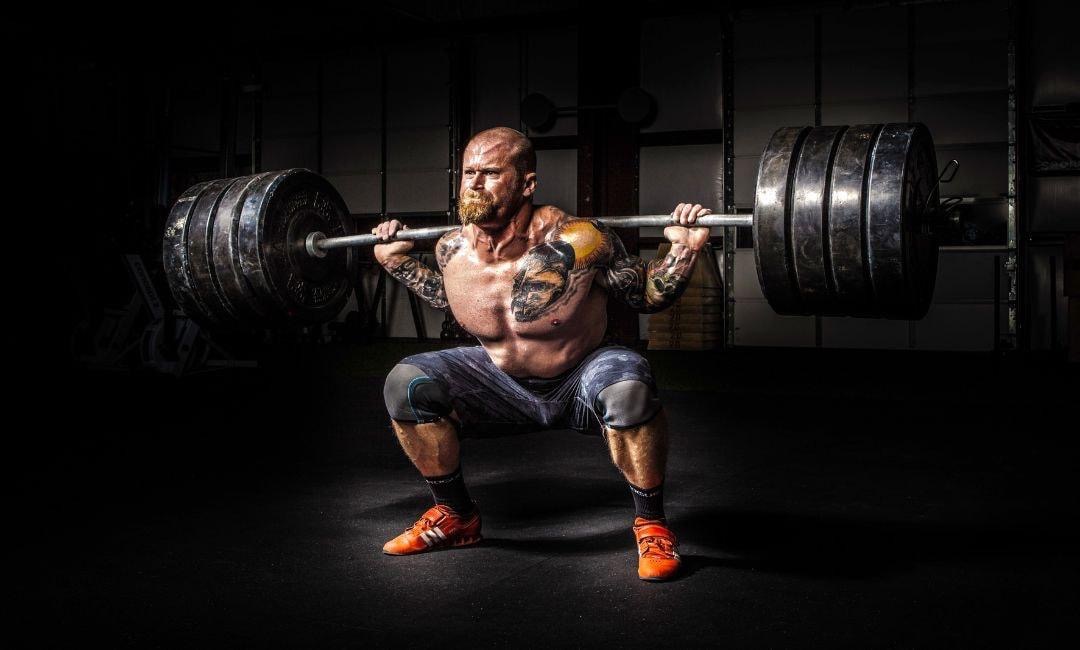
Powerlifting Training
Powerlifting lies in developing maximal strength through the three key lifts. Training focus typically involves:
- Working at high percentages of one-rep maximum
- Longer rest periods between sets
- Emphasis on maintaining proper form under heavy loads
- Progressive overload through increased weight
Olympic Lifting Training
Weightlifting training emphasises technical precision and explosive power development:
- High volume at moderate percentages
- Focus on speed and technique
- Extensive use of training variations
- Emphasis on continuous motion and timing
Both powerlifting and weightlifting require dedicated training approaches, but the methodology differs significantly based on the sport's requirements.
Athletic Performance Benefits
Powerlifting Benefits
Powerlifting develops:
- Maximal strength in fundamental movement patterns
- Upper body strength through bench press variations
- Lower body power through squatting movements
- Raw strength that supports other athletic endeavours
Olympic Lifting Benefits
Olympic weightlifting develops:
- Explosive power through rapid force production
- Athletic performance through dynamic movements
- Coordination and timing under load
- Full-body integration and power transfer
Both disciplines contribute to overall athleticism, but through different mechanisms and training adaptations.
How to Try Both at Underground Gym
At Underground Gym, we're fortunate to have strong programmes in both disciplines across our locations:
Brighton Location
Our Advanced Strength classes incorporate elements of both powerlifting and Olympic lifting techniques. Coach Tom Bright specialises in helping members develop solid fundamentals in both styles before specialising.
Newhaven Location
Jack Holman runs dedicated Strength Circuits that introduce the fundamentals of both disciplines in an accessible format.
Tunbridge Wells Location
We offer dedicated Olympic Lifting sessions with Chris Deer and Cameron Lodge, plus specialised strength programming with Livvy for those interested in powerlifting.
For beginners, I recommend:
- Book a tour focusing on foundational movements
- Sample both our strength-focused classes and Olympic lifting sessions
- Work with coaches to identify which training style feels more natural and enjoyable
- Consider your goals and which strength sport better serves them
- Remember, you don't have to choose exclusively—many members incorporate elements of both
Case Studies: Members Who Made the Choice
Mark (35) tried both disciplines before settling firmly on powerlifting. "I love the clarity of it—either the weight goes up or it doesn't. I'm naturally more strength-dominant than speed-dominant, and I found I could progress faster with powerlifting."
Sarah (42) was drawn to Olympic lifting despite initial challenges. "It was definitely harder to learn, but the feeling of successfully snatching a barbell overhead is unlike anything else. I'm hooked on the technical challenge, and it's improved my overall athleticism dramatically."
Dev (28) incorporates both styles into his training. "I focus on powerlifting in 8-week blocks to build strength, then switch to Olympic lifting for 8 weeks to develop explosiveness and keep training fresh. The variety keeps me motivated, and they complement each other well."
Making Your Decision
If you're trying to decide which strength sport might be right for you, ask yourself these questions:
- Do you prefer straightforward progress metrics or technical skill development?
- How important is explosive power versus maximum strength for your goals?
- Do you have the mobility (or willingness to develop it) for Olympic lifting?
- Which training style do you find more engaging and enjoyable?
- Do your physical attributes or sporting background align better with one discipline?
Remember, the best weightlifting program is the one you'll stick with consistently. Personal enjoyment should be a significant factor in your decision.
Competition Opportunities
Powerlifting Competition
Powerlifting competitions focus on the combined total weight lifted across the three lifts. Competitors are grouped by weight class and age, with winners determined by the highest total.
Olympic Sport Competition
Olympic weightlifting involves competition in both the snatch and clean and jerk, with athletes striving to achieve their highest combined total weight. The sport has specific rules and regulations governing proper form and technique.
Both disciplines offer opportunities for competitive participation, from local meets to national championships.
Strength Training Integration
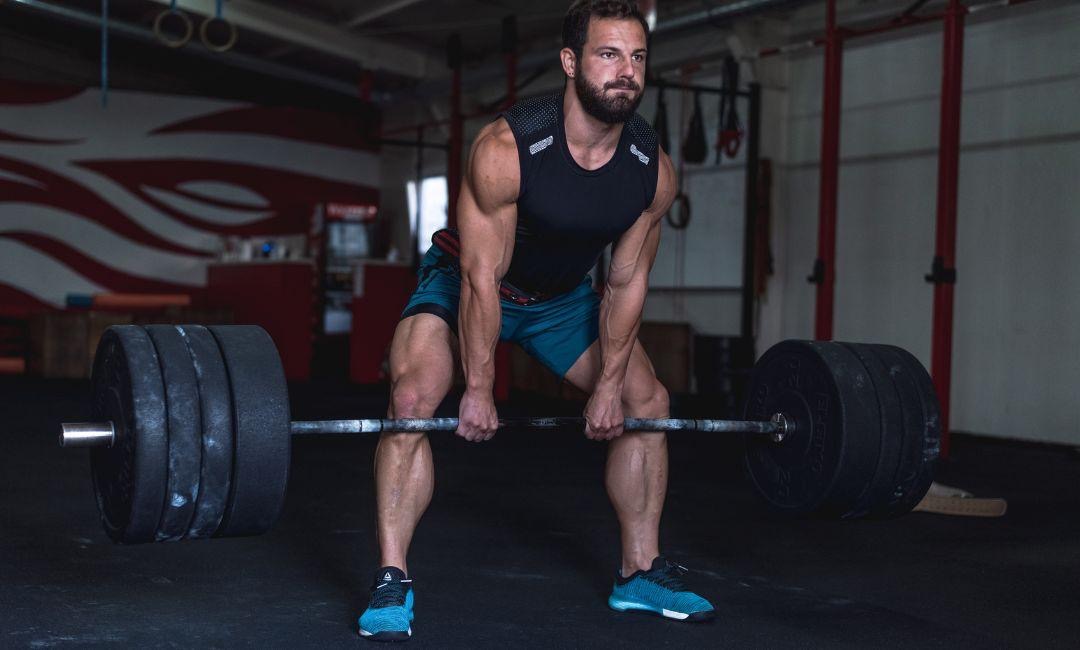
Building Strength Through Both Disciplines
Many strength athletes benefit from incorporating elements of both powerlifting and weightlifting into their training:
- Using Olympic lifting variations for explosive power development
- Employing powerlifting exercises for maximal strength building
- Alternating training blocks emphasising different aspects
- Combining approaches based on specific goals
Training Methods Integration
Successful strength training often involves:
- Proper form emphasis regardless of discipline
- Progressive overload through various methods
- Technical precision in movement execution
- Appropriate rest and recovery protocols
Beyond Competition: Training for Life
Whether you choose powerlifting vs Olympic lifting, or incorporate both, the benefits extend far beyond competition:
Health and Fitness Benefits
Both disciplines provide:
- Increased bone density through weight-bearing exercise
- Improved functional strength for daily activities
- Enhanced muscle mass and metabolic health
- Better posture and movement quality
Mental Benefits
Strength training through either discipline develops:
- Mental toughness and resilience
- Goal-setting and achievement skills
- Confidence and self-efficacy
- Stress management capabilities
You Don't Have to Choose Just One
Perhaps the most important point is that this doesn't need to be an either/or decision. Many of our members incorporate elements of both disciplines into their training:
- Using Olympic lifting variations like power cleans to develop explosiveness alongside a powerlifting foundation
- Focusing on powerlifting movements for strength development while using Olympic lifting derivatives for power and technique work
- Alternating training blocks that emphasise different disciplines throughout the year
At Underground Gym, our coaches are experienced in both disciplines and can help you create an approach that best serves your specific goals and preferences.
Getting Started at Underground Gym
Whether you're drawn to the technical challenge of Olympic lifting or the raw strength development of powerlifting, we've created spaces and communities where you can explore and excel in either path—or forge your own that incorporates the best of both worlds.
Our facilities are equipped for both disciplines, with:
- Dedicated Olympic lifting platforms
- Powerlifting-specific equipment and bars
- Experienced coaches in both disciplines
- Programming that accommodates all levels
Ready to explore which strength sport suits you best? Join us and discover your path to strength development.
The most important step is simply to begin. Book a session at any of our locations, and we'll help you discover which path feels right for you. Whether you're interested in lifting weights for fitness, sport, or competition, we have the expertise and community to support your journey.
Find your nearest location and start your strength training adventure today. Both powerlifting and Olympic lifting offer incredible rewards—the question is which one will capture your passion and drive your progress forward.
JOIN THE UNDERGROUND
WHERE RESULTS AREN’T JUST PROMISED—THEY’RE INEVITABLE
We’re all about real gains, real guidance, and real grit. Our lineup spans from strength building to a vibrant fitness community. Become a member and start seeing the results that only the Underground can deliver.
Ready to transform?


.png)